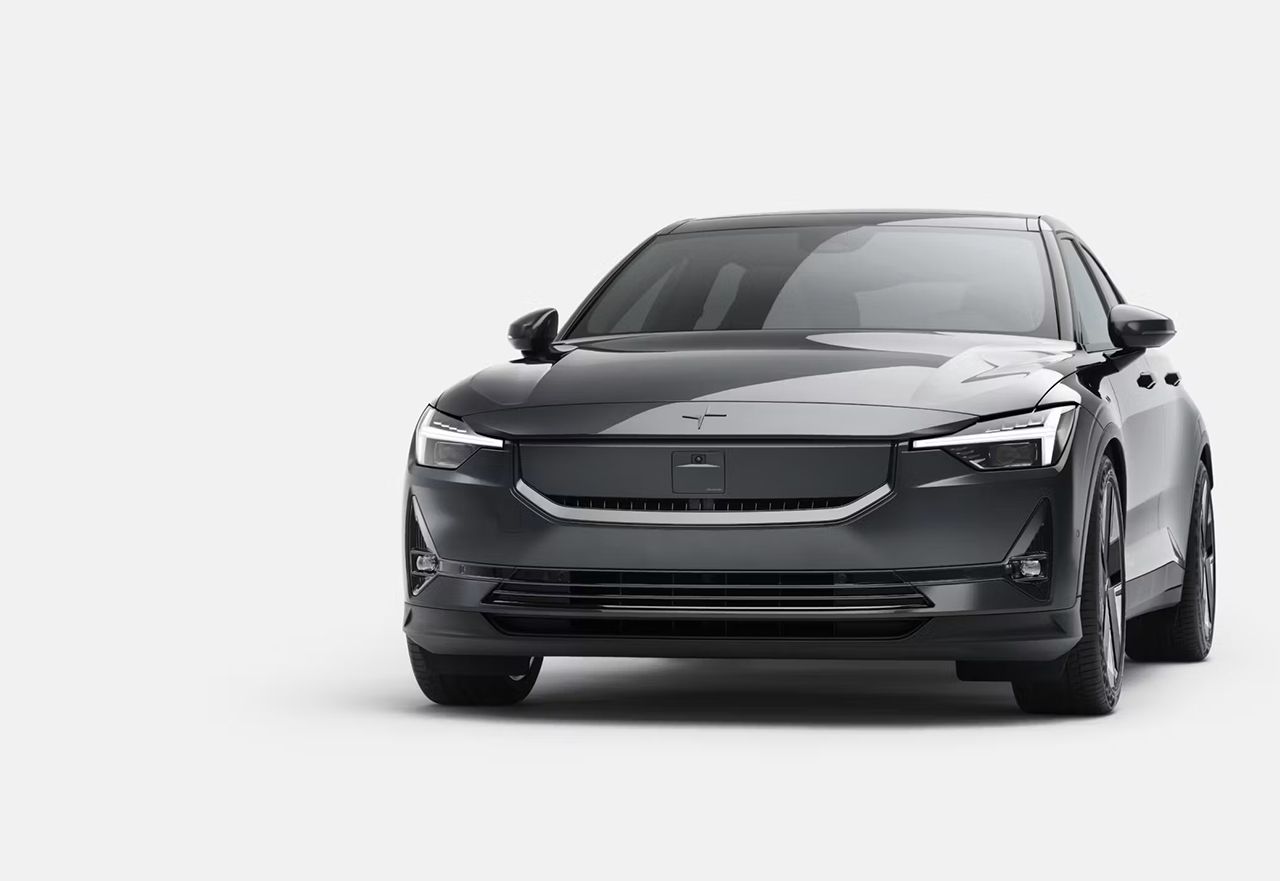
Polestar 2 Pre-Owned: What It Means for You, and Why Battery Quality Stands Out
Buying a pre-owned Polestar 2 means choosing an electric car that already has a story, yet can still offer a modern, quiet, and highly current...
Read more
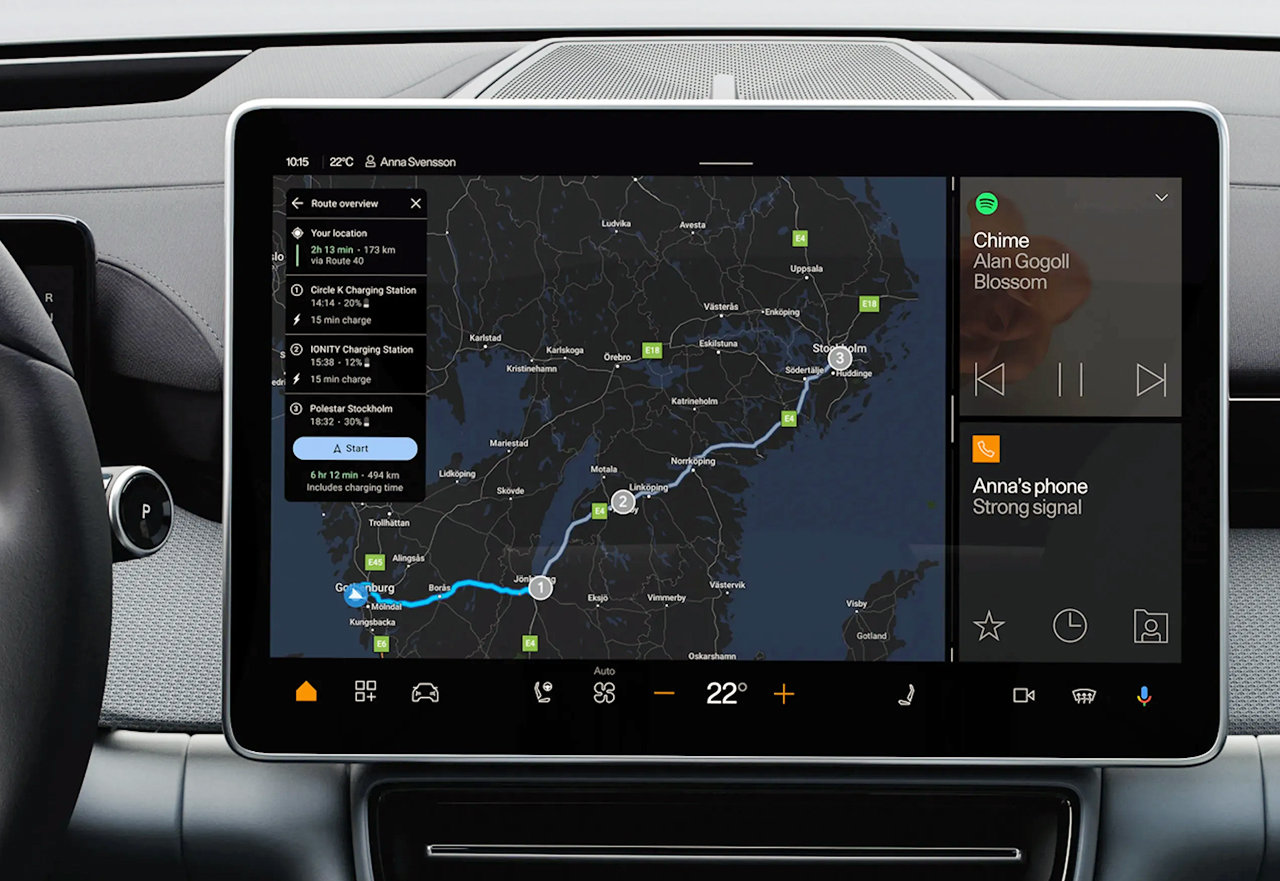
Traveling in a Polestar means enjoying a quiet, modern, and reassuring driving experience while learning to plan the road differently. In summer, every trip takes on a different feeling: heading to the cottage, taking a family vacation, escaping to the Laurentians, driving to Quebec City, spending a weekend in the Eastern Townships, heading toward Charlevoix, or making a spontaneous stop in a waterside village.
With the right preparation, charging does not become a constraint. It naturally becomes part of the trip: a coffee on the road, a lunch break, a few minutes to stretch your legs, a stop with the kids, or a moment to check the itinerary before getting back behind the wheel.
Whether you drive a Polestar 2, Polestar 3, or Polestar 4, traveling in an electric vehicle in Quebec is much simpler when charging stops are planned as useful breaks rather than unexpected interruptions.
The first good habit is simple: enter your destination in the navigation system before you leave, even if you already know the route. This allows the system to factor in the trip, the remaining battery level, and possible charging needs.
Here is a concrete example: you leave Montreal on a Friday afternoon to reach a cottage in the Laurentians. Even if the trip feels familiar, traffic, heat, air conditioning, luggage, bikes, or a detour to the grocery store can affect energy consumption. By entering the destination in the built-in Google Maps, you can more easily see whether a charging stop would be useful before arriving.
Before a long summer drive, check:
The goal is not to calculate everything down to the last mile. The goal is to leave with a clear view of the trip and a comfortable margin.

A good charging stop is not just about the charger. It is about choosing a place where the stop makes sense.
For example, if you are driving toward Quebec City, stopping near a restaurant or coffee shop can be much more pleasant than relying on an isolated charging station. If you are traveling with children, a stop with restrooms, snacks, and space to walk for a few minutes becomes more practical. If you are leaving for a weekend as a couple, charging during lunch makes the experience feel much more natural.
In summer, roads are busier. Friday afternoons, long weekends, Quebec construction holiday weeks, and Sunday returns can increase traffic at the most popular charging stations. That is why it is better to identify more than one option before leaving.
Before choosing a charging station, look mainly at:
That last point matters. If a charger is occupied or out of service, having a second option a few miles away can help avoid a lot of stress.
Polestar vehicles equipped with built-in Google Maps can help make planning easier. You can enter your destination, review suggested routes, locate charging stations, and see useful information depending on available data, such as availability or charger type.
Example: you are leaving Montreal for the Eastern Townships for a weekend of biking, hiking, or visiting vineyards. The navigation can help you see whether you can reach your destination directly or whether it would be better to plan a fast-charging stop along the way.
This is especially useful in three situations:
In these situations, it is better to plan a charging stop early and calmly than to search for a charger at the last minute.

Not all charging options serve the same purpose. The right choice depends on your route, your stop time, and your destination.
Fast charging is the most useful option on the road. It is ideal for vacations, weekends at the cottage, long trips between cities, or business travel. The goal is to recover enough range during a short break to continue the trip.
Example: you leave Montreal for Charlevoix. Instead of waiting until the battery is almost depleted, you plan a fast-charging stop during a meal or coffee break. You then leave with a comfortable margin to complete the trip.
Level 2 charging is practical when the vehicle stays parked for several hours: at a hotel, office, public parking lot, shopping center, restaurant, marina, tourist attraction, or vacation accommodation.
Example: you spend the night at a hotel with a charger. Even if charging is slower than at a fast charger, it may be enough to leave the next morning with a comfortable battery level.
Before leaving, always check whether there is a charging station near your destination. This is especially important for a cottage, inn, hotel, campground, or less dense region.
Example: you arrive in a small town in the evening after a full day on the road. If you already know where the nearest charger is located, you avoid having to look for a solution once you are there.
The best strategy is not to aim for the minimum. Even if the navigation is efficient, keeping a margin is more reassuring.
In summer, several factors can affect real-world range:
Concrete example: if you are leaving for a week of vacation with suitcases, a cooler, stroller, paddleboards, or bikes, energy consumption may vary compared to a simple daily drive. That is not a problem, but it should be planned for.
A good approach is to plan your arrival with enough battery to avoid any pressure. This also makes it easier to manage an occupied charger, a change of plans, or an activity added at the last minute.

This can happen, especially during vacation periods. It should not ruin the trip.
Before arriving at a charger, check availability if the information is displayed. If the charger is occupied, look at the options around you. That is why it is useful to identify two possible stops instead of just one.
Here is a simple method:
Example: you had planned to use a fast charger near a shopping center, but it is occupied. If you still have a comfortable margin, you can wait a few minutes, choose another charger, or slightly adjust your route without stress.
At Polestar Montreal, we know that traveling in an electric vehicle raises very concrete questions. Drivers want to know where to charge, how to prepare for a long trip, what margin to keep during the holidays, and how to use the tools built into their Polestar.
The reality for drivers in Montreal and Quebec is varied. There are cottage getaways, weekends in the Laurentians, escapes to the Eastern Townships, long drives to Quebec City, vacations toward Charlevoix, business trips, indoor parking, public charging stations, and home charging habits.
Our role is to help you better understand this reality before taking the road. Whether you already drive a Polestar or are still exploring your options, our team can advise you on charging, range, available models, pre-owned vehicles, and best practices for traveling with greater confidence.
Here is a concrete example.
You leave Montreal on Friday around 4 p.m. for a cottage in the Laurentians. The vehicle is charged. The bags are in the trunk. The bikes are installed. You enter the cottage address in the navigation system. The system shows the estimated range upon arrival. You see that a charging stop may not be required, but you still identify a fast charger near a coffee shop along the way.
You have two options:
The second option may be more pleasant if you are leaving again the next morning, if your destination does not have a nearby charger, or if you plan several local drives during the weekend.
That is exactly the logic that makes trips simpler: you do not charge only because you have to, you charge at the right time to make the drive smoother.
Before your next trip, keep this list in mind:
With these habits, charging becomes more natural. It becomes part of the trip instead of interrupting it.
Traveling in a Polestar means taking the road with a different feeling. The silence, driving precision, and intelligent planning transform the experience. Stops are better chosen. Trips feel calmer. Long drives feel more controlled.
Whether you are preparing for your first electric getaway, a drive to the cottage, a family vacation, or a business trip, Polestar Montreal can support you. Visit us or contact our team for personalized advice, to discover our models, and to better understand how to integrate charging into your daily life.
No. With good planning, traveling in a Polestar is simple. Start with a sufficient charge, enter your destination in the navigation system, identify useful charging stations, and keep a comfortable battery margin.
The easiest approach is to choose a stop that already fits a natural break: a meal, coffee, restrooms, a short walk, or a stop with the kids. A fast charger near practical services makes the trip much more enjoyable.
Avoid arriving with the battery too low and plan a second possible charger. If the main charger is occupied, you can wait, slightly adjust your route, or head to another station without pressure.
Yes. In summer, long drives, air conditioning, luggage, roof boxes, bike racks, and busy charging stations can affect planning. It is recommended to identify your stops in advance and keep a comfortable margin.
You can contact Polestar Montreal for personalized advice on charging, range, Polestar models, pre-owned or certified vehicles, and preparing for a long drive in Quebec.

Polestar 2 Pre-Owned: What It Means for You, and Why Battery Quality Stands Out
Buying a pre-owned Polestar 2 means choosing an electric car that already has a story, yet can still offer a modern, quiet, and highly current...
Read more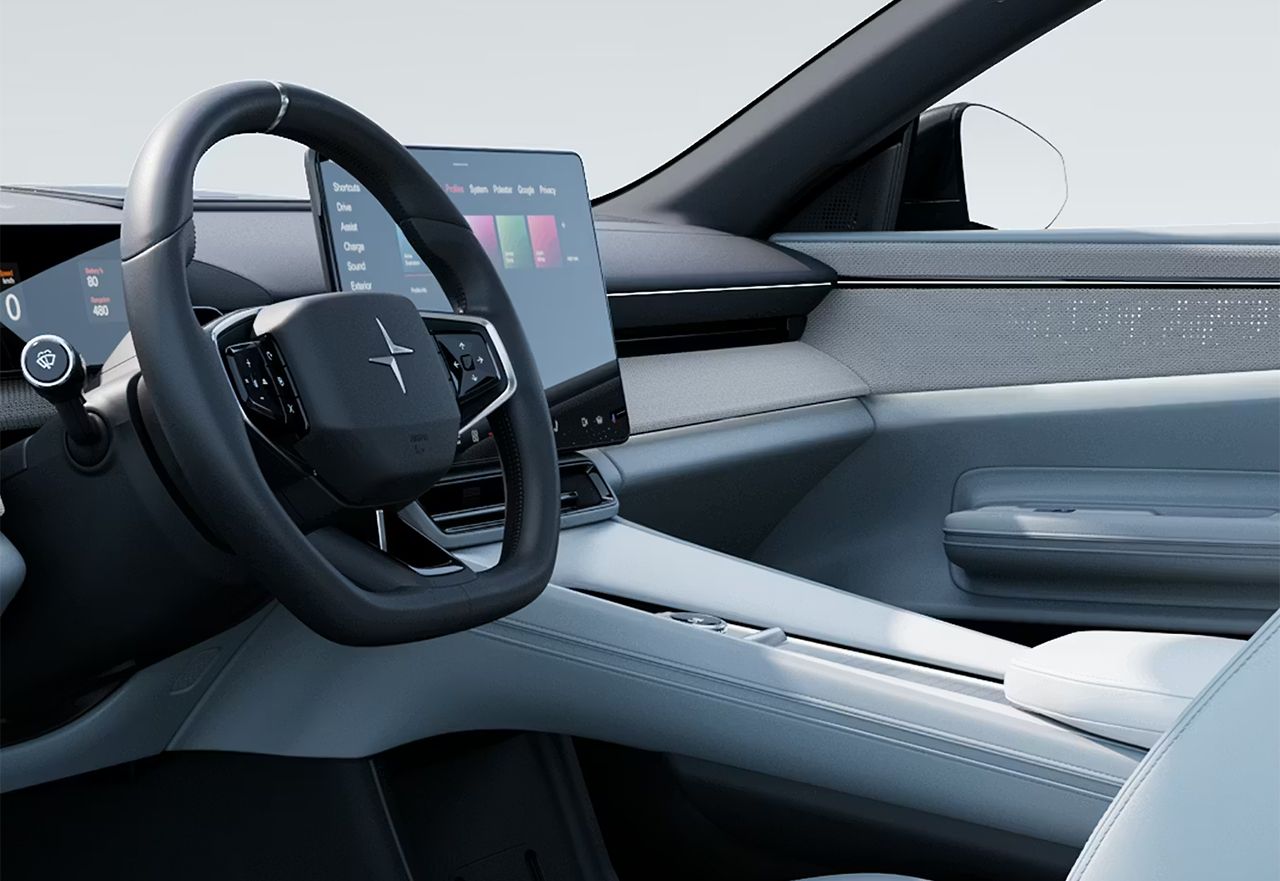
Polestar 4 Infotainment: Google Built-In, CarPlay, and Connected Driving
The infotainment system of the Polestar 4 turns every drive into an intuitive, seamless, and connected experience. Whether you are crossing...
Read more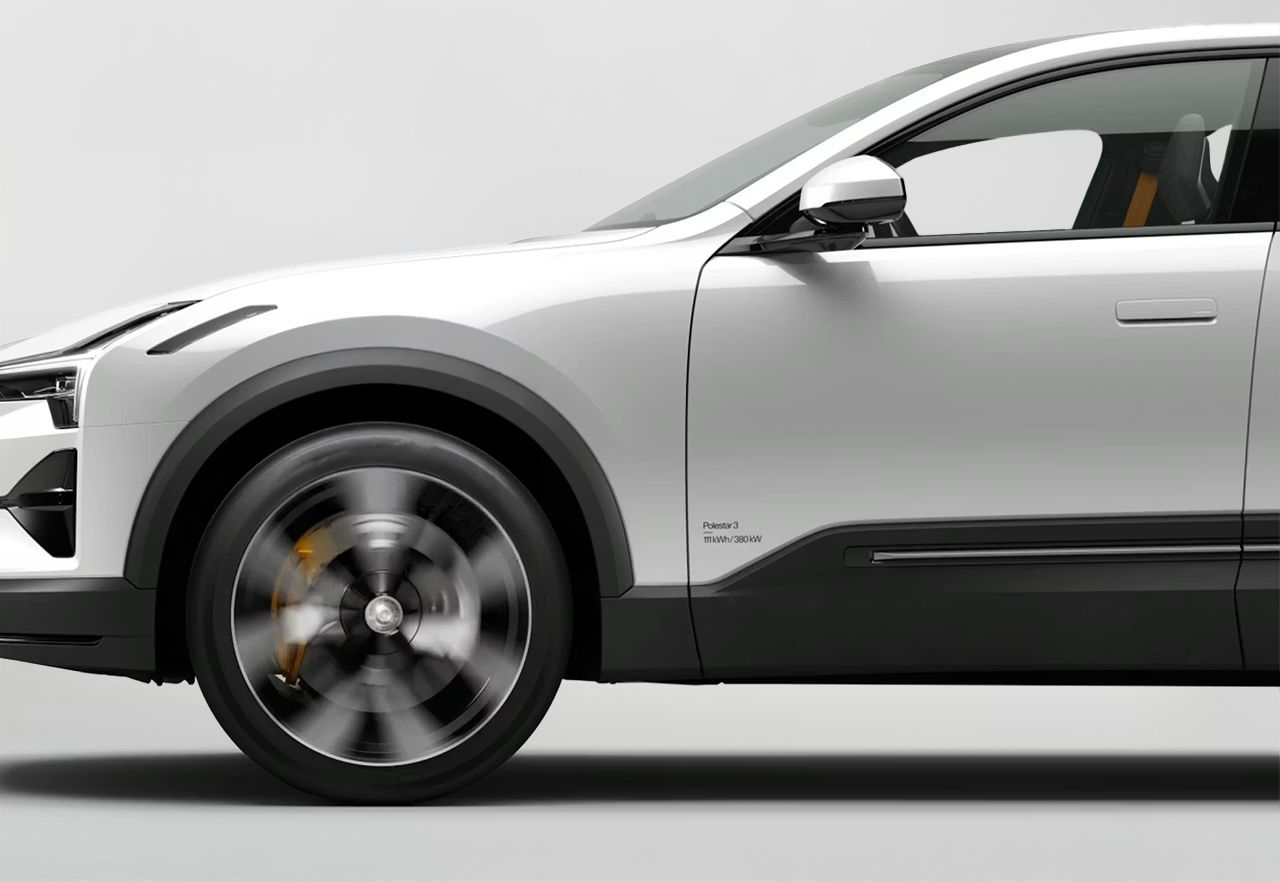
Polestar door handles: why the Polestar 3 and 4 inspire confidence in winter
The Polestar door handles are drawing more and more attention in Quebec, especially when winter really sets in. Not the picture-perfect winter with...
Read morePowered and developed by
