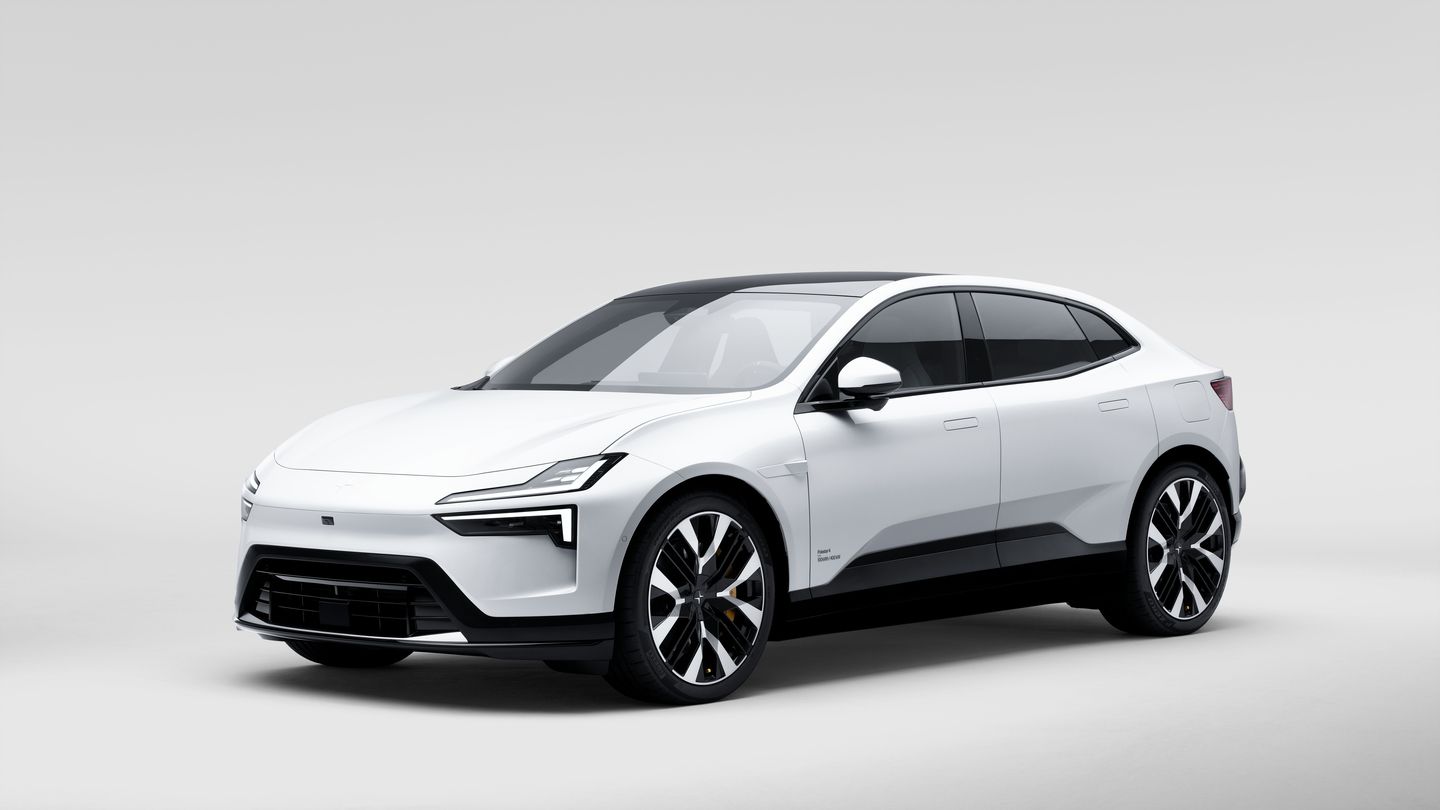
A More Refined Ride: What Changes on the 2027 Polestar 4 Coupe
The 2027 Polestar 4 coupe arrives in Quebec with a sharper brief: keep the shape and the cabin, and fix how it feels on the road. The update is a...
Read more
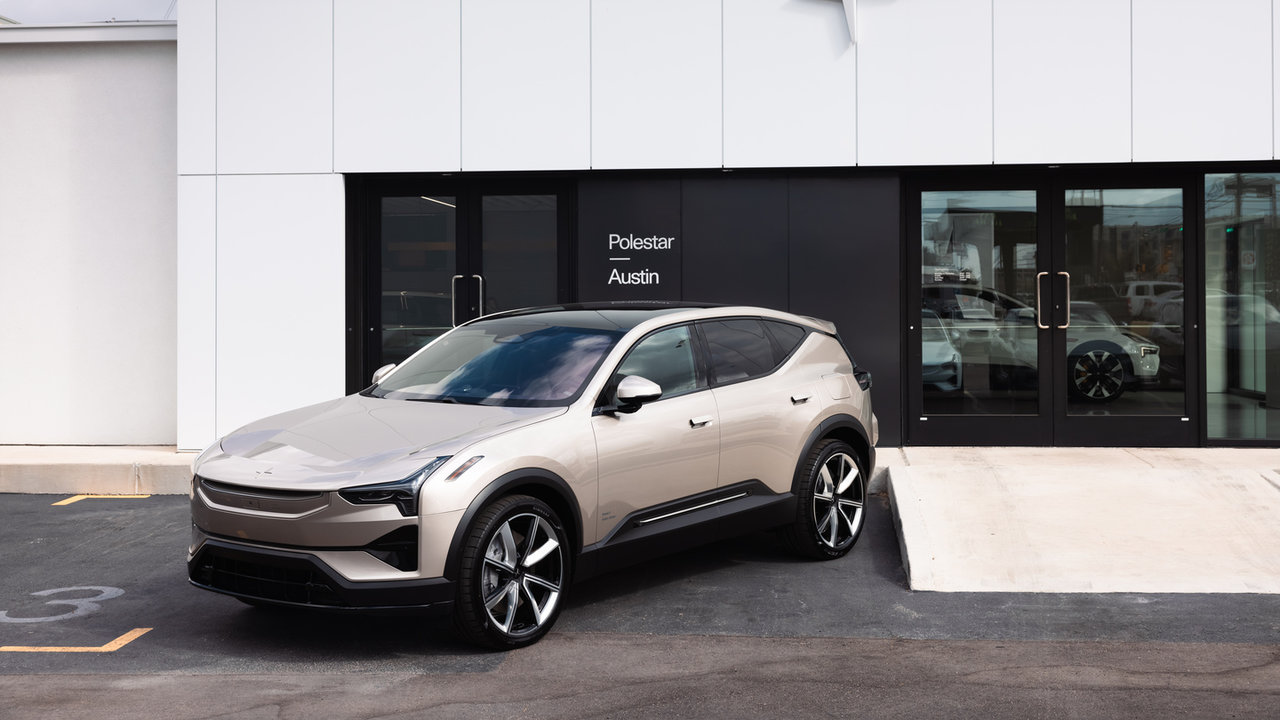
Loading groceries, hockey bags, and two kids into an SUV every week tells you more about a vehicle than any spec sheet. If you’re building a shortlist in Quebec, the 2027 Polestar 3 is worth a close look, not just for its badge, but for how it actually handles the daily grind of family life.
Here are five ways it earns a spot on that list.
The Polestar 3 seats five across two rows, with a wheelbase of 2,985 mm that gives rear passengers real leg room and space to fit child seats without a struggle. ISOFIX anchors are standard, so securing a car seat is straightforward.
Cargo space holds up on both ends of the trip. Behind the rear seats there’s 597 L to the roof, growing to 1,411 L with the seats folded for larger hauls like sports gear or furniture. A 23.8 L front storage compartment adds a second spot for smaller bags, keeping muddy boots or a diaper bag out of the main cabin.
The 60/40 split rear seat and ski hatch add flexibility for longer skis or lumber on a home project run.
Family driving means school zones, highway merges, and tight parking lots, often in the same afternoon. The Polestar 3 comes standard with adaptive cruise control, blind spot information with steer assist, lane keeping aid, lane departure warning, and cross traffic alert with brake support. A driver monitoring system uses interior infrared cameras to watch for fatigue or distraction, without storing footage.
For parking and close-quarters manoeuvring, five exterior cameras with automatic cleaning support tight city spots and driveway backing.

Three-zone climate control with a heat pump lets front and rear passengers set their own temperature, and a rear control panel puts seat heating within reach of back-row passengers. Heated front seats come standard, alongside heated rear seats and a heated steering wheel.
The 14.5-inch centre touchscreen runs Google built-in with wireless Apple CarPlay and Android Auto, so kids or a co-pilot can connect a phone without hunting for a cable, and four USB-C ports keep devices charged on longer drives. A 9-inch driver display and 9-inch head-up display keep the essentials in the driver’s line of sight instead of buried in menus. Standard audio runs ten speakers, enough for a road trip playlist without a fight over the aux cord.
Most charging happens overnight at home, not at a public station. Plugged into an 11 kW Level 2 charger, the 106 kWh battery goes from empty to full in about 10 hours, so a family wakes up to a full charge without ever visiting a station for routine driving.
Longer road trips lean on the public DC fast-charging network instead. At up to 350 kW, the Polestar 3 can go from 10% to 80% in 22 minutes, roughly enough time for a rest stop and a coffee before continuing a drive to the cottage or a visit across the province. The battery carries an 8-year (96-month) or 160,000 km warranty with free repair or replacement if capacity drops below 70%, backing that daily routine with long-term coverage.
The Dual motor and Performance versions aren’t just a power upgrade, they suit different priorities. The Dual motor pairs 544 hp with a 502 km range on all-season tires, making it the pick for families who drive year-round in Quebec and want the longer range plus tires built for changing conditions. The Performance version delivers 680 hp and quicker 3.9-second 0-100 km/h acceleration, but trades range down to 452 km and swaps to summer tires, a setup better suited to a household that drives less in winter or keeps a second vehicle for the season.
|
Spec |
Dual Motor |
Performance |
|
Horsepower |
544 hp |
680 hp |
|
Range (NRCan) |
502 km |
452 km |
|
0-100 km/h |
4.7 s |
3.9 s |
|
Tires |
21-inch all-season |
22-inch summer |
Ground clearance sits at 202 mm on both versions, giving either drivetrain a buffer over rutted or snow-packed laneways that a lower sedan wouldn’t clear.
A family cross-shopping mid-size electric SUVs in Quebec has to weigh cargo room, charging routine, and winter usability together, not one at a time. The 2027 Polestar 3 answers all three: a 597 L cargo hold that grows to 1,411 L, a 350 kW charging ceiling for road trips, and all-season tires paired with 202 mm of clearance on the Dual motor for year-round driving.
Visit Polestar Montréal to sit in the back seat with a car seat in hand and see how the cargo area handles your actual gear. Book a test drive to compare how the Dual motor and Performance versions feel on the road before you commit.
A More Refined Ride: What Changes on the 2027 Polestar 4 Coupe
The 2027 Polestar 4 coupe arrives in Quebec with a sharper brief: keep the shape and the cabin, and fix how it feels on the road. The update is a...
Read more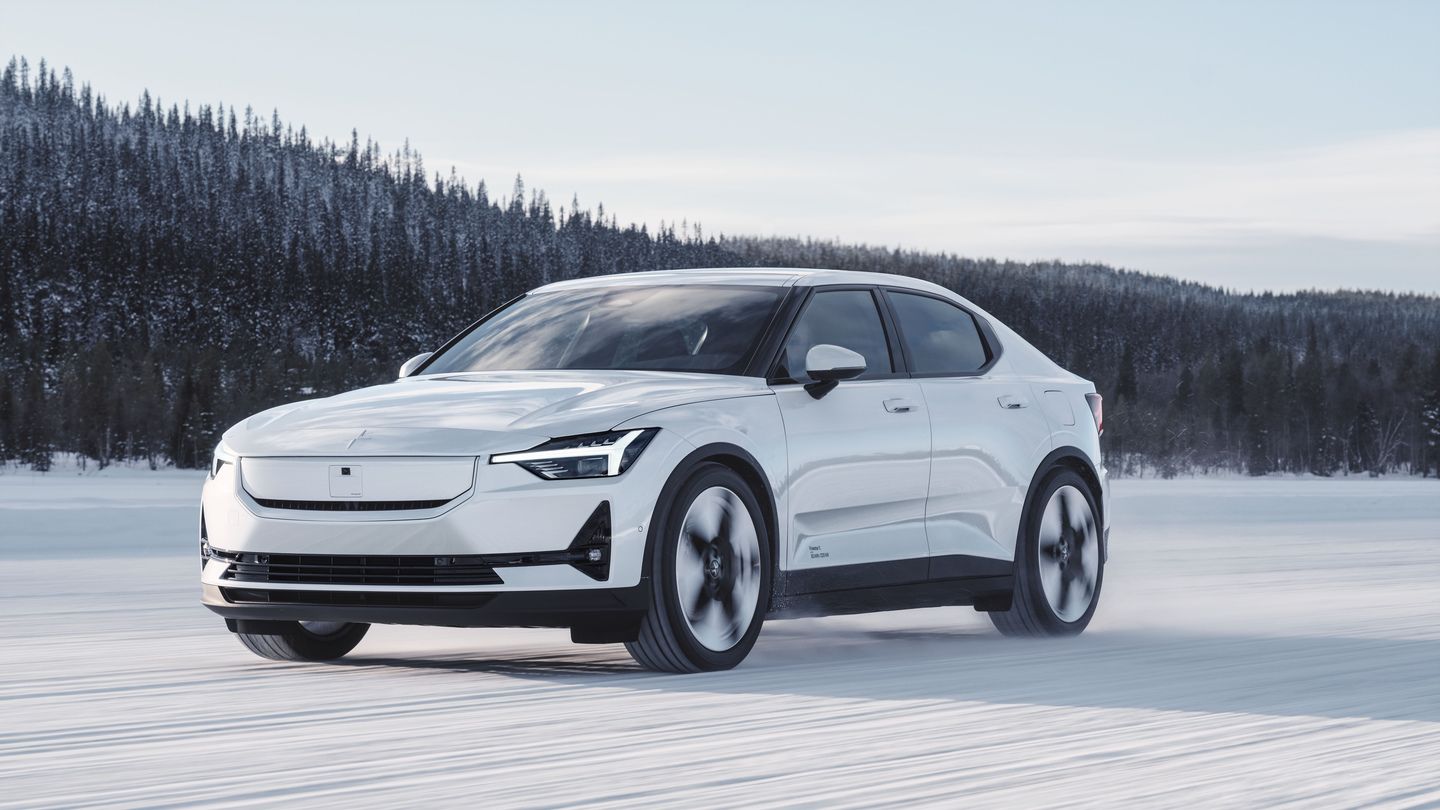
What to Check Before Your First Quebec Winter in a 2027 Polestar 2
The 2027 Polestar 2 is a dual-motor, all-wheel-drive fastback, and Quebec winters put its strengths to work. Heating, charging and visibility all...
Read more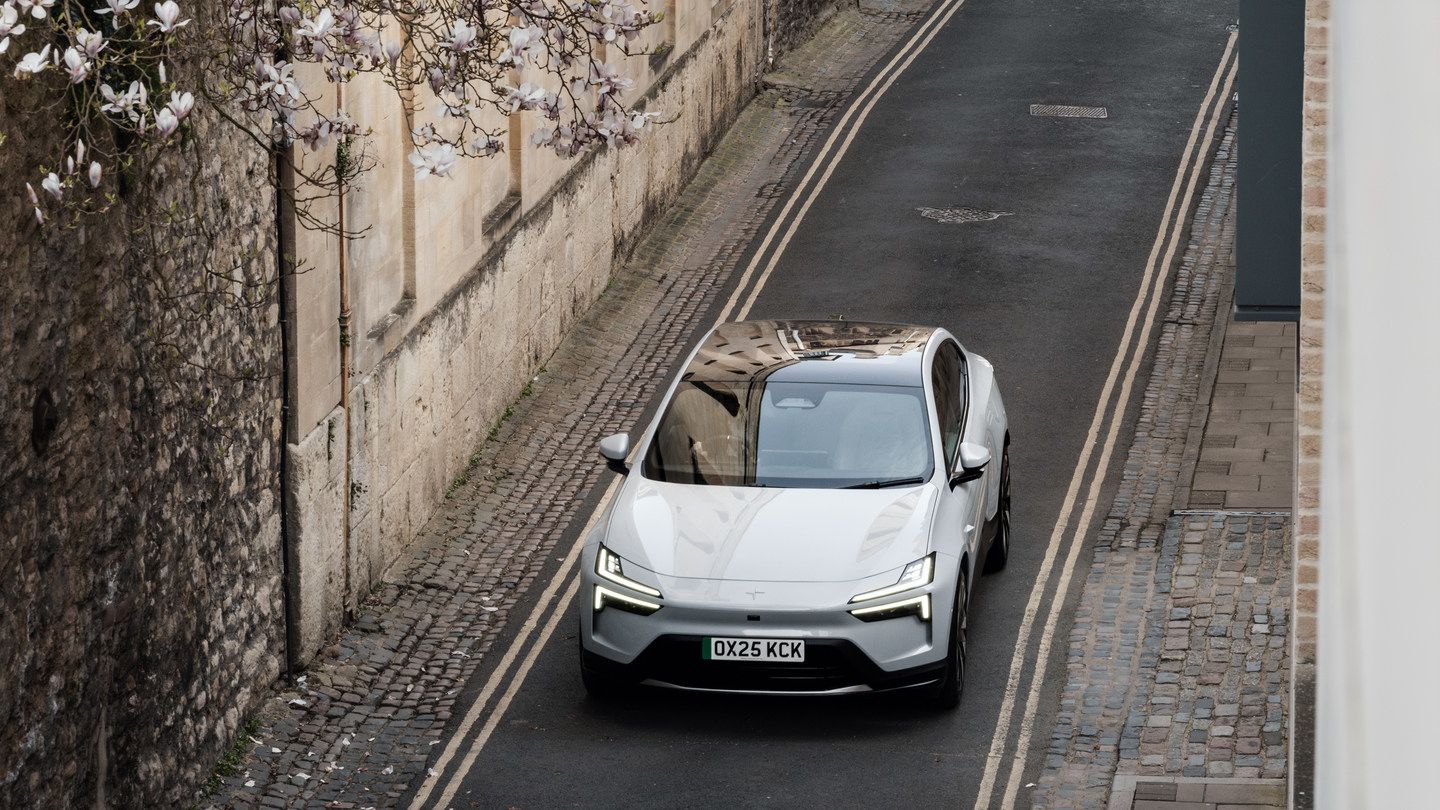
Rear Motor or Dual Motor: Which 2027 Polestar 4 Coupe Suits Year-Round Driving?
A 2027 Polestar 4 coupe comes down to one early choice: one motor or two. Both share the same 100 kWh battery, the same 15.4-inch screen and the...
Read morePowered and developed by
