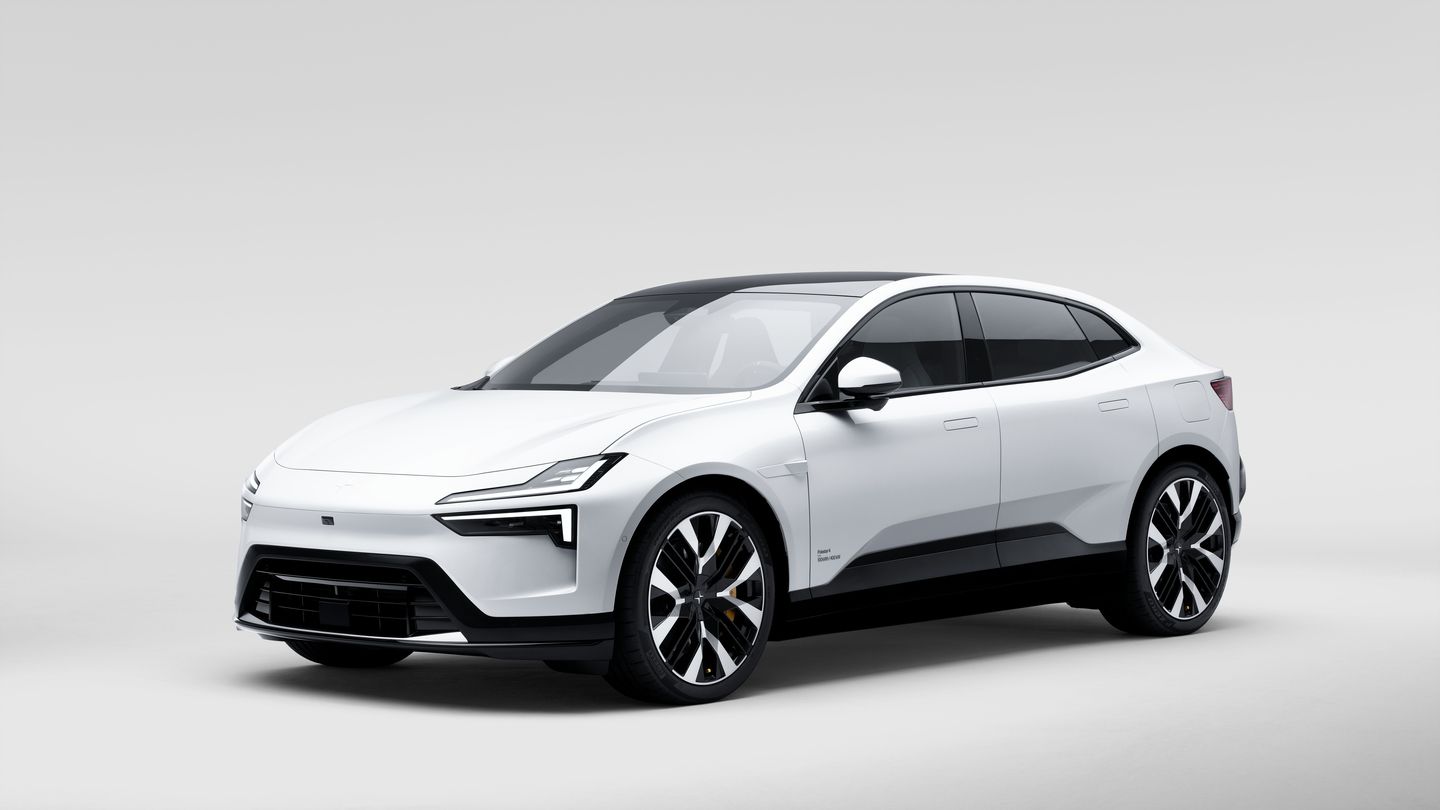
A More Refined Ride: What Changes on the 2027 Polestar 4 Coupe
The 2027 Polestar 4 coupe arrives in Quebec with a sharper brief: keep the shape and the cabin, and fix how it feels on the road. The update is a...
Read more
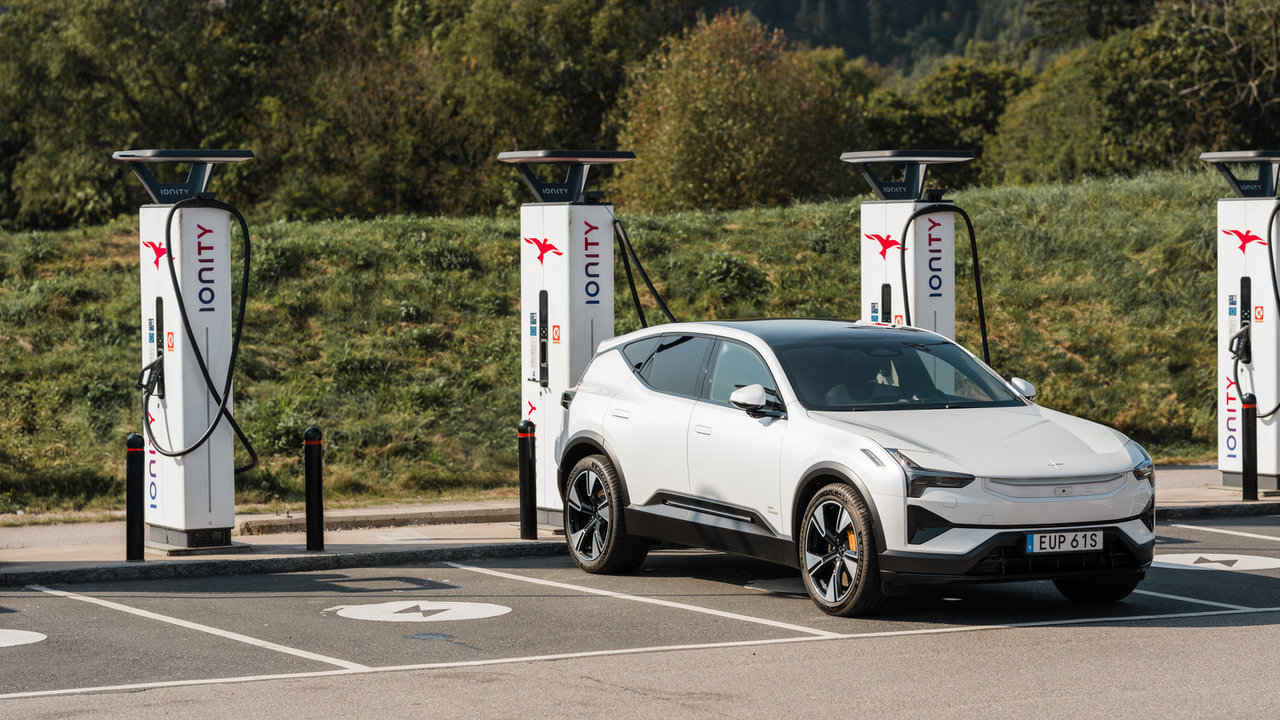
The 2027 Polestar 3 is built around a fast-charging battery, and the numbers are worth reading slowly before you plan a long highway run across Quebec.
This guide turns the charging specs into road-trip terms: what the hardware does, how a stop plays out, and what it means for the way you own the car.
The Polestar 3 carries a 106 kWh lithium-ion battery on an 800 V architecture. It accepts DC fast charging at up to 350 kW on an 800 V charger, and up to 120 kW on a 400 V charger.
At home, the onboard charger handles AC at 11 kW. Those two ends of the range, a high-power road-trip plug and a steady overnight plug, are the whole charging picture.
|
Charging spec |
Value |
|
Battery |
106 kWh, 800 V |
|
DC fast charge, peak |
Up to 350 kW (800 V) / up to 120 kW (400 V) |
|
10-80% on DC |
22 min (350 kW) / 32 min (120 kW) |
|
AC, 0-100% |
10 h (11 kW) |

Higher voltage lets the battery take power at a high rate without pushing extra current through the cables and cells. In plain terms, the car can accept a bigger flow of energy from a compatible charger, and that is what produces the 22-minute 10-80% stop.
On a 350 kW charger, a 10-80% top-up takes 22 minutes. On a 120 kW charger, the same top-up takes 32 minutes. Ten minutes of difference is real, but the 120 kW figure shows the car stays useful on more modest stations too.
The figures assume a charger that can deliver that power. Charger output, temperature and the battery’s state of charge all shape what you see at the plug, so treat 22 minutes as the best case on a 350 kW unit, not a promise at every stop.
A 10-80% stop in 22 minutes is about a coffee and a wash-room break. The Dual motor is rated at 502 km and the Performance at 452 km (NRCan), so you start each leg with a long first stretch before you need a plug.
The Polestar 3 has access to CCS and NACS public charging networks, and NACS adapters are available for purchase. That widens the list of stations you can use on a long run.
At home, the 10 hours for a full 0-100% AC charge at 11 kW fits an overnight plug-in. A 12A/40A Type 1 single-phase AC charging cable is included as standard, so the car arrives ready to charge on AC.
The battery carries an 8-year / 160,000 km warranty, with free repair or replacement if state of health drops below 70%. High-mileage highway drivers get a long runway of coverage.
The Dual motor and Performance trims share the same battery and charging hardware in the charging specs. The trim choice shows up elsewhere: the Dual motor lists 502 km of range and 23.6 kWh/100 km, while the Performance lists 452 km and 26.1 kWh/100 km.
If long legs between charges matter most, the Dual motor’s extra 50 km of rated range is the number to weigh. The Performance adds 680 hp and a 0-100 km/h time of 3.9 s, against 4.7 s for the Dual motor.

Drivers who cover long highway distances get the most from 350 kW capability, since short stops keep the trip moving. Commuters who charge overnight benefit from the 11 kW onboard charger, which covers a full charge in 10 hours.
The Polestar 3 also carries Pilot Assist and adaptive cruise control as standard, so the miles between charging stops are calmer ones.
The 2027 Polestar 3 pairs an 800 V, 106 kWh battery with 350 kW peak DC charging, 11 kW AC charging and access to CCS and NACS networks. That makes the long highway stop short and the home routine simple.
Book a test drive at Polestar Montréal in Laval, QC to see the Polestar 3 up close and talk through the charging setup that fits your routes.
A More Refined Ride: What Changes on the 2027 Polestar 4 Coupe
The 2027 Polestar 4 coupe arrives in Quebec with a sharper brief: keep the shape and the cabin, and fix how it feels on the road. The update is a...
Read more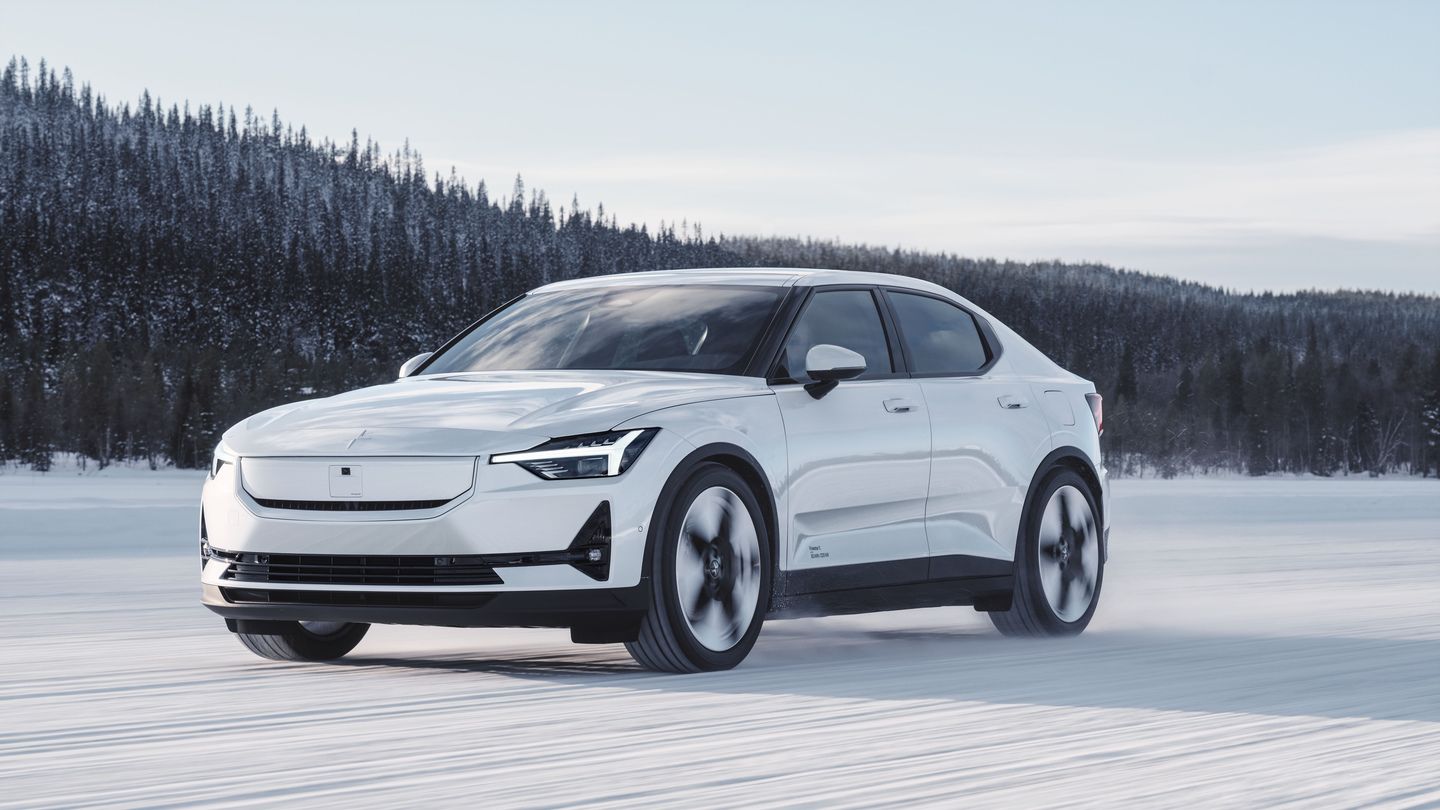
What to Check Before Your First Quebec Winter in a 2027 Polestar 2
The 2027 Polestar 2 is a dual-motor, all-wheel-drive fastback, and Quebec winters put its strengths to work. Heating, charging and visibility all...
Read more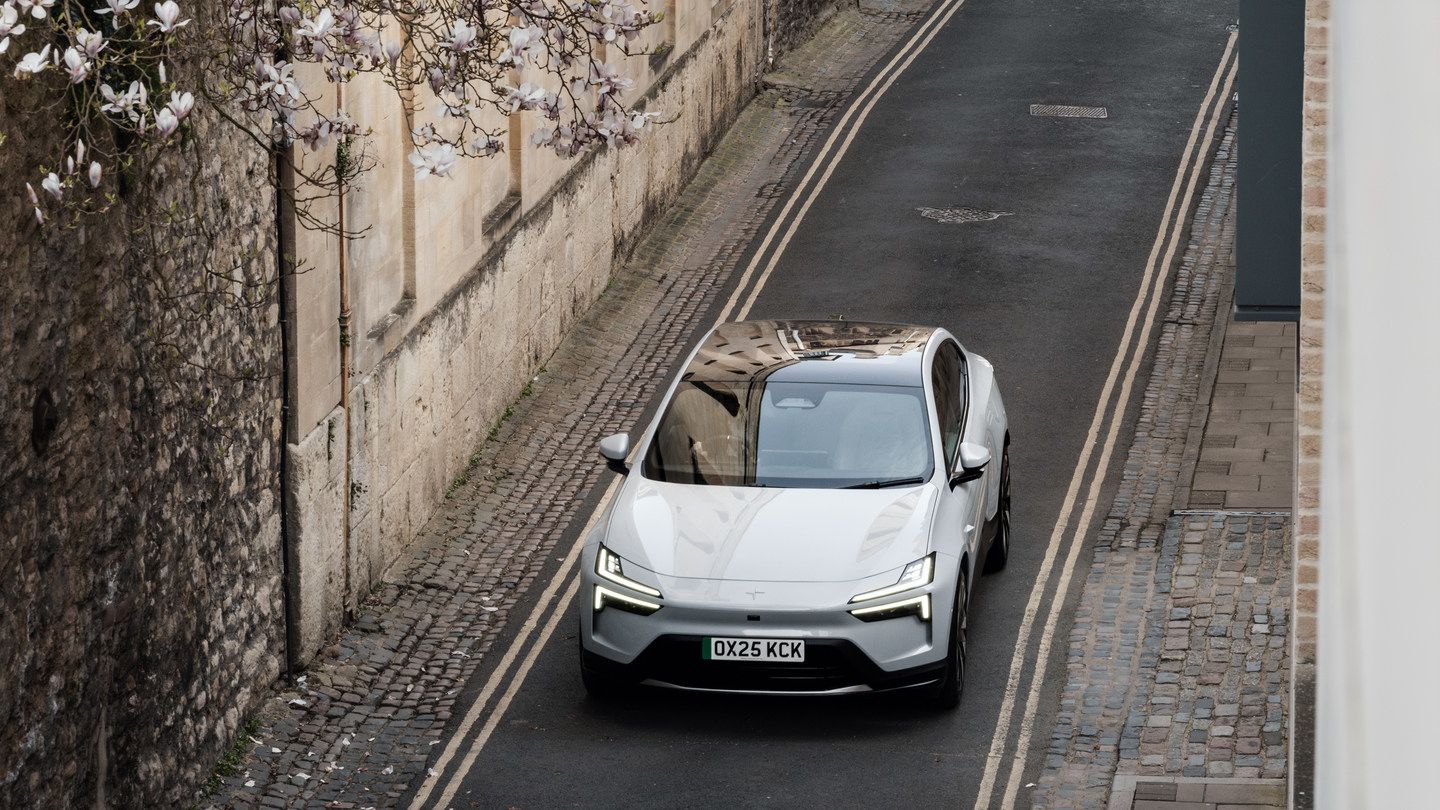
Rear Motor or Dual Motor: Which 2027 Polestar 4 Coupe Suits Year-Round Driving?
A 2027 Polestar 4 coupe comes down to one early choice: one motor or two. Both share the same 100 kWh battery, the same 15.4-inch screen and the...
Read morePowered and developed by
