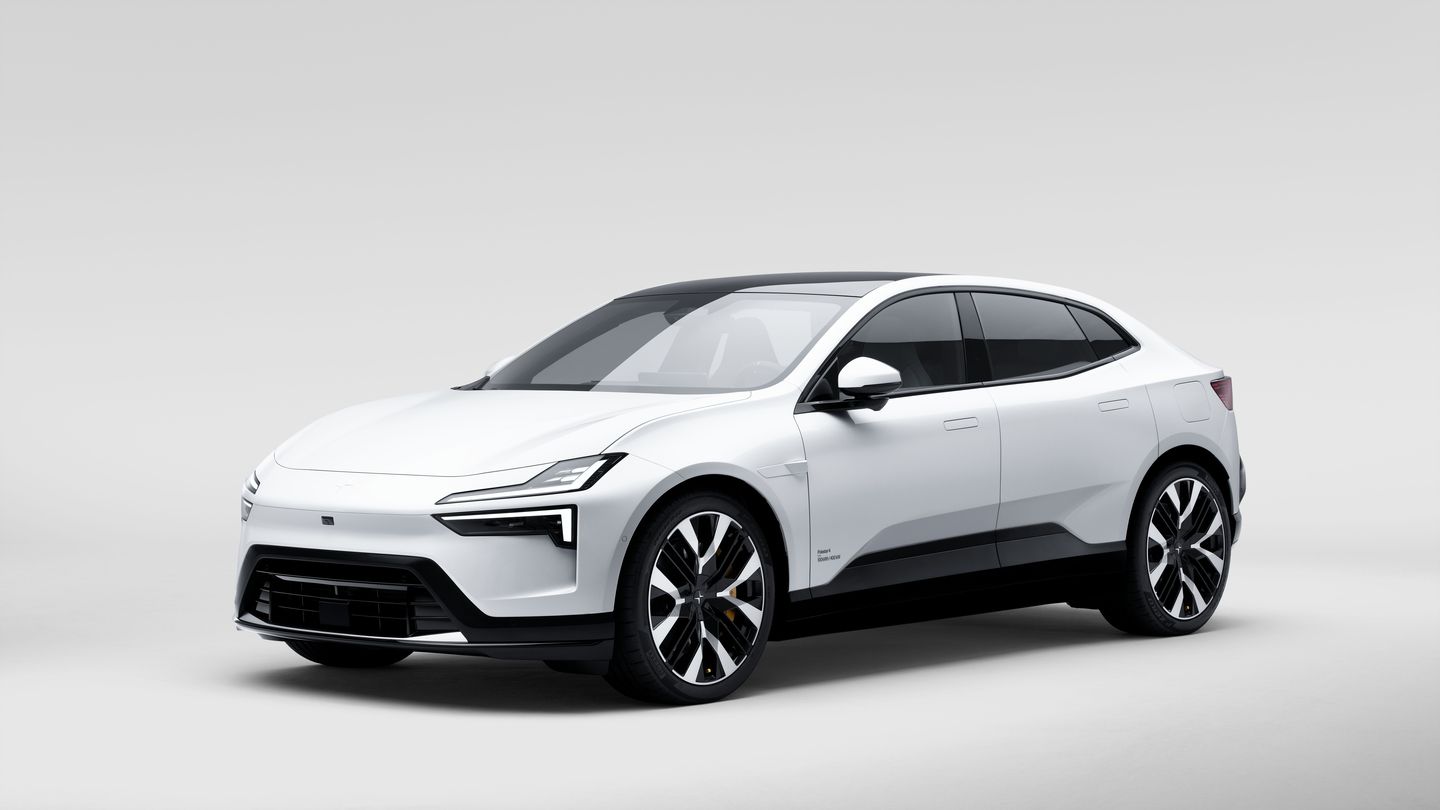
A More Refined Ride: What Changes on the 2027 Polestar 4 Coupe
The 2027 Polestar 4 coupe arrives in Quebec with a sharper brief: keep the shape and the cabin, and fix how it feels on the road. The update is a...
Read more
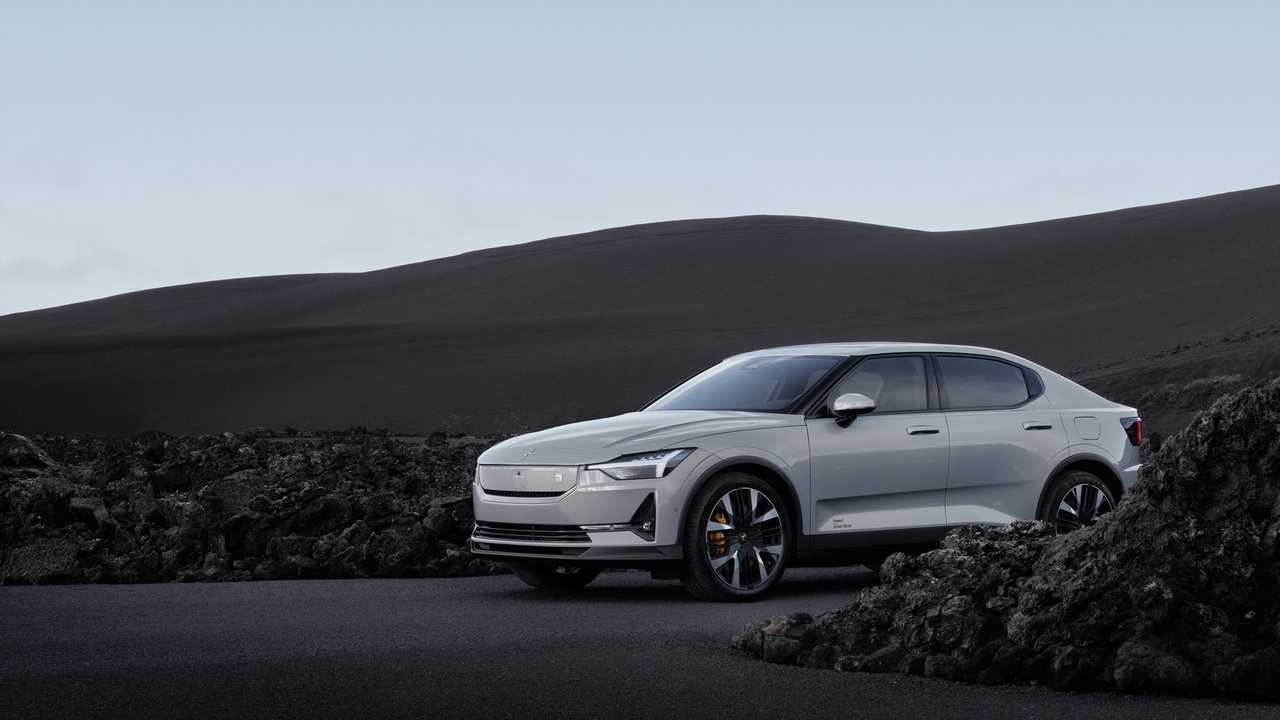
Choosing between the Polestar 2 and Polestar 4 usually comes down to one question: do you want a low, sporty fastback, or a taller SUV coupe with more room? Both are built on the same electric foundation, but they solve different daily problems for Quebec drivers.
This comparison walks through how each car handles parking, passengers, cargo, charging, and daily tech, so you can match the shape to how you actually drive.
|
Spec |
Polestar 2 |
Polestar 4 |
|
Body style |
Fastback |
SUV coupe |
|
Drivetrain |
AWD (Long range Dual motor) |
RWD (Single motor) or AWD (Dual motor) |
|
Horsepower |
421 hp |
272 hp (Single motor) / 544 hp (Dual motor) |
|
Torque |
546 lb-ft |
253 lb-ft (Single motor) / 506 lb-ft (Dual motor) |
|
0-100 km/h |
4.5 s |
7.1 s (Single motor) / 3.8 s (Dual motor) |
|
Electric range |
447 km |
499 km (Single motor) / 451 km (Dual motor) |
|
Battery capacity |
82 kWh |
100 kWh |
|
DC fast charge |
205 kW, 28 min (10-80%) |
200 kW, 30 min (10-80%) |
|
Cargo, seats up / folded |
407 L / 1,097 L |
526 L / 1,536 L |
|
Length / wheelbase |
4,606 mm / 2,735 mm |
4,840 mm / 2,999 mm |
|
Ground clearance |
151 mm front / 167 mm rear |
166 mm front / 186 mm rear |
|
Touchscreen / cluster |
11.2 in / 12.3 in |
15.4 in / 10.2 in |
|
Battery warranty |
8 years / 160,000 km |
8 years / 160,000 km |
The Polestar 2’s fastback roofline slopes toward a lower rear glass, giving the car a compact footprint that’s easy to place in narrower parking spots and tighter driveways. Its 151 mm front ground clearance keeps the car low and planted.
The Polestar 4’s SUV coupe shape trades that low stance for a taller seating position and a more substantial road presence, stretching to 4,840 mm long against the Polestar 2’s 4,606 mm. One design choice defines its rear view: the Polestar 4 has no rear window at all. A rear-facing HD camera feeds an 8.9-inch digital rear-view mirror instead, a system built to widen the rearward view while freeing up cabin space that a traditional rear window and headliner would otherwise use.
For a driver who wants a car that tucks into small spots without a second thought, the Polestar 2’s lower profile makes that easy. For a driver who wants to sit higher and see over traffic, the Polestar 4’s coupe stance delivers that view.
The Polestar 2 carries 407 L behind the rear seats and up to 1,097 L with them folded, plus a 33 L front storage compartment. Its 40/60 split rear seat includes a ski hatch, useful for longer gear without giving up both rear seats.
The Polestar 4’s longer 2,999 mm wheelbase, against the Polestar 2’s 2,735 mm, adds real rear-seat room, and its rear seatbacks recline electrically with the Plus pack. Cargo grows too: 526 L behind the seats and 1,536 L folded.
For solo drivers or couples who need cargo only occasionally, the Polestar 2’s trunk and frunk cover groceries, a weekend bag, and ski gear. For small families hauling car seats, strollers, or bulkier weekend loads, the Polestar 4’s larger cabin and cargo hold give more to work with.

The Polestar 2 comes in one configuration: Long range Dual motor, all-wheel drive, 421 hp and 546 lb-ft, reaching 100 km/h in 4.5 seconds with a 205 km/h top speed. Every Polestar 2 drives all four wheels from the start.
The Polestar 4 offers a choice. The Single motor is rear-wheel drive, making 272 hp and 253 lb-ft, with a 7.1-second sprint to 100 km/h. The Dual motor adds all-wheel drive along with 544 hp and 506 lb-ft, cutting that sprint to 3.8 seconds, the quickest of the pair.
If you want AWD traction built in without picking a trim, the Polestar 2’s single configuration already delivers it. If you’d rather size the powertrain to your budget, the Polestar 4 lets you start with the lighter, rear-drive Single motor at 2,230 kg curb weight, or step up to the 544-hp Dual motor for the strongest acceleration and highway passing margin in the lineup.
The Polestar 2’s 82 kWh battery covers up to 447 km and recovers a 10-80% DC charge in 28 minutes at up to 205 kW. On a Level 2 connector, it charges from empty in 8 hours.
The Polestar 4’s 100 kWh battery stretches further on the Single motor, up to 499 km, while the Dual motor covers 451 km. DC charging tops out at 200 kW, with a 10-80% charge taking 30 minutes. Because the pack is larger, a full Level 2 charge takes 11 hours on the same 11 kW onboard charger the Polestar 2 uses.
For drivers who want the fewest stops on a longer drive, the Polestar 4 Single motor’s 499 km range covers more ground before a charge. For drivers who plug in overnight at home and want the quickest top-up, the Polestar 2’s smaller battery finishes charging three hours sooner.
Both run Android Automotive OS with Google built in, but the screens differ. The Polestar 2 pairs an 11.2-inch centre display with a 12.3-inch driver cluster, keeping the dash simple. The Polestar 4 steps up to a 15.4-inch centre display and a 10.2-inch cluster, with a 14.7-inch head-up display available through its Plus pack, a screen-forward layout for drivers who want more to look at.
On audio, the Polestar 2 offers a 13-speaker Harman Kardon system through its Plus pack. The Polestar 4’s standard setup runs 8 speakers, upgradeable to a 12-speaker Harman Kardon system through its own Plus pack.
Driver assistance follows a similar pattern. The Polestar 4 includes Pilot Assist and lane change assist as standard content. The Polestar 2 offers the same Pilot Assist capability, along with 360-degree cameras and blind-spot monitoring, through its optional Pilot pack.
If you’re a solo driver or a couple who wants a lower, sportier EV that’s simple to park and quick off the line, the Polestar 2’s fastback shape and standard AWD performance make daily driving straightforward. Its smaller footprint and faster home charging suit a routine built around short commutes and overnight top-ups.
If you’re starting a family, or you regularly carry passengers and gear, the Polestar 4’s taller seating position, longer wheelbase, and larger cargo hold give you more room to work with. Its Single motor variant adds the longest range in the pair, useful for drivers who take longer trips and want fewer charging stops along the way.
Neither shape is the better Polestar. They’re built for different routines, and matching the shape to your routine is the real decision here.
The Polestar 2’s fastback design and the Polestar 4’s SUV coupe shape both run on Polestar’s electric platform, but they answer different daily needs around space, seating height, and range.
Visit Polestar Montréal in Montreal to sit in both models, compare the cabin layouts side by side, and book a test drive to feel the difference in person.
A More Refined Ride: What Changes on the 2027 Polestar 4 Coupe
The 2027 Polestar 4 coupe arrives in Quebec with a sharper brief: keep the shape and the cabin, and fix how it feels on the road. The update is a...
Read more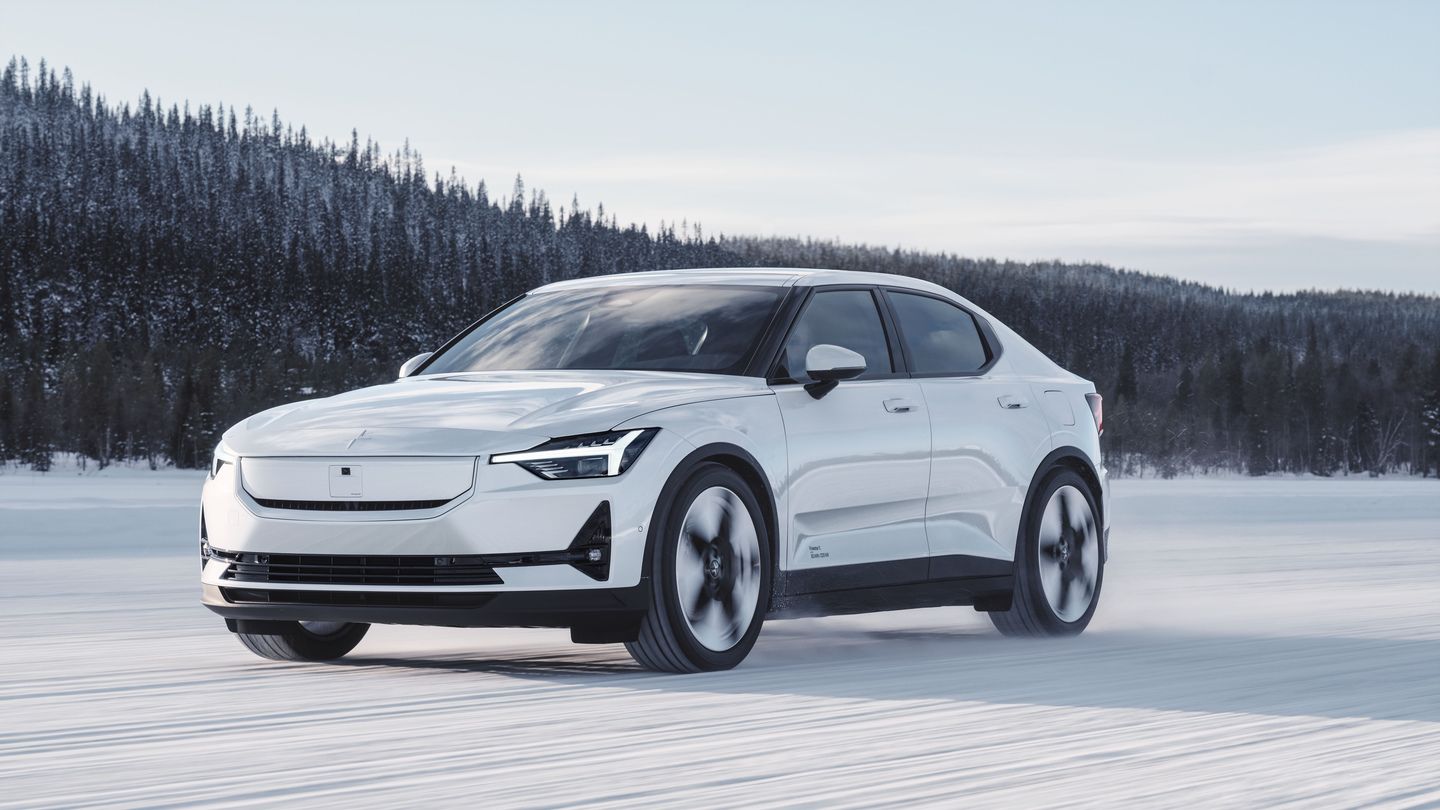
What to Check Before Your First Quebec Winter in a 2027 Polestar 2
The 2027 Polestar 2 is a dual-motor, all-wheel-drive fastback, and Quebec winters put its strengths to work. Heating, charging and visibility all...
Read more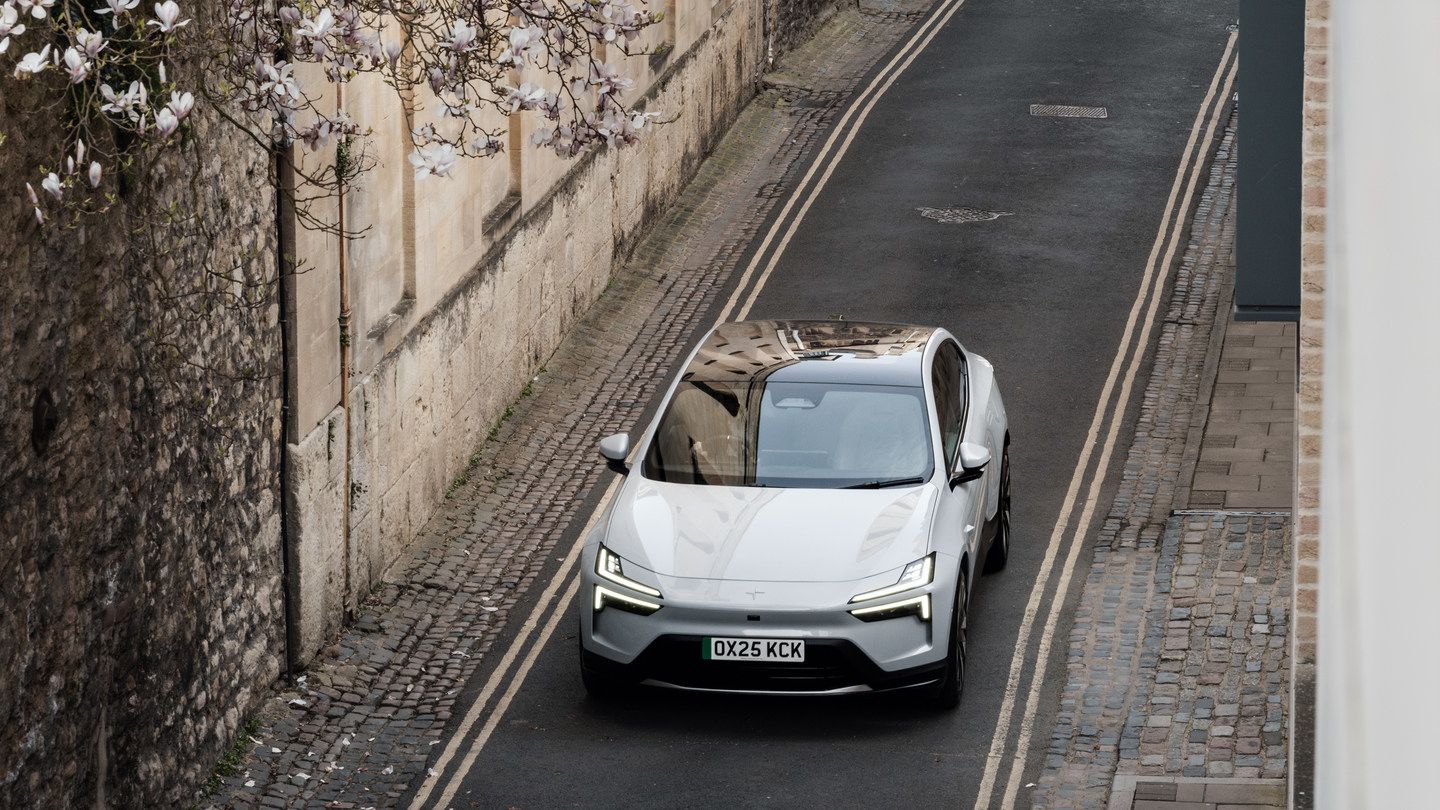
Rear Motor or Dual Motor: Which 2027 Polestar 4 Coupe Suits Year-Round Driving?
A 2027 Polestar 4 coupe comes down to one early choice: one motor or two. Both share the same 100 kWh battery, the same 15.4-inch screen and the...
Read morePowered and developed by
