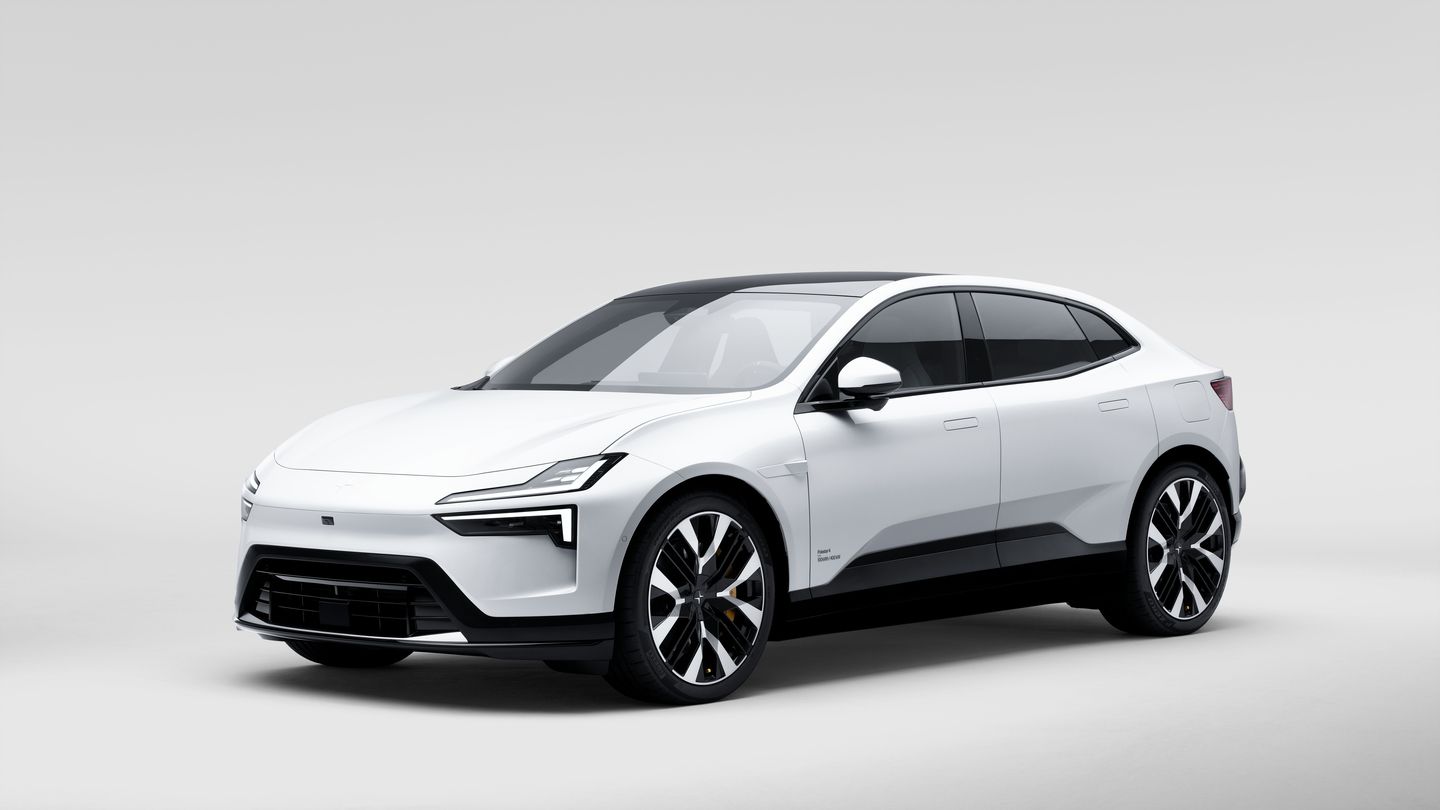
A More Refined Ride: What Changes on the 2027 Polestar 4 Coupe
The 2027 Polestar 4 coupe arrives in Quebec with a sharper brief: keep the shape and the cabin, and fix how it feels on the road. The update is a...
Read more
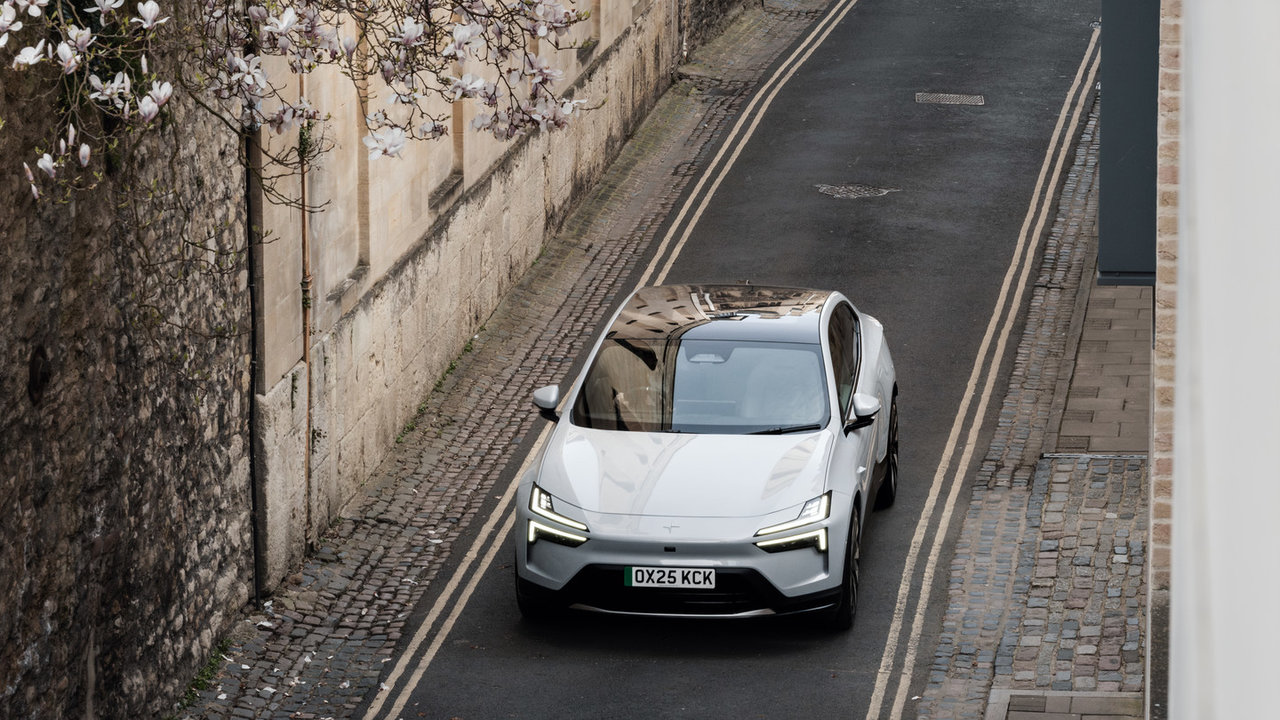
A long highway stretch asks a lot of a cabin: quiet at speed, easy to adjust, and simple to live with for five people. The Polestar 4 answers with a layout built around passenger space first, not just headline specs.
For Quebec shoppers weighing comfort over a full tank of driving, the details in the seats, climate system, and glass matter more than they first appear.
The Polestar 4 is an SUV coupe with no rear window at all. In its place, a rear-facing HD camera feeds an 8.9-inch digital rear-view mirror that switches between a live camera feed and a standard mirror view.
That trade lets the roofline taper for aerodynamics while the cabin behind it stays open. A full-length panoramic roof, with an electrochromic glass option, keeps the second row from feeling closed in despite the coupe-style profile. Second-row privacy laminated glass also cuts noise and glare for rear passengers.
At 4,840 mm long with a 2,999 mm wheelbase, the Polestar 4 gives its five seats real room to work with, without the bulk of a larger three-row SUV.
Front seats start as 8-way power driver and 6-way power passenger, standard on every Polestar 4. Stepping up to the Plus pack adds 12-way front seats with a leg cushion extension and an easy ingress/egress function, plus electric reclining rear seatbacks, so rear passengers can drop their seatback angle on a long stretch instead of sitting bolt upright.
Heated front seats come standard; heated rear seats and a heated steering wheel are tied to the Plus pack. Climate runs 2-zone standard, moving to 3-zone with a rear touch control screen once the Plus pack is added. Every Polestar 4 includes an energy-saving heat pump and a parking climate/preconditioning function, which lets the cabin warm up before you get in on a cold Quebec morning or after a highway DC fast-charging stop.
Cabin air runs through CleanZone®, with a PM2.5 sensor and filter added under the Plus pack for finer filtration. Below is how the two seating and climate tiers compare directly.
|
Feature |
Standard |
With Plus Pack |
|
Front seats |
8-way driver / 6-way passenger |
12-way, leg extension, easy ingress/egress |
|
Rear seatbacks |
Fixed |
Electric reclining |
|
Heated seats |
Front only |
Front + rear + steering wheel |
|
Climate zones |
2-zone |
3-zone with rear touch screen |
|
Cabin filtration |
CleanZone® |
CleanZone® + PM2.5 filter |

A reclining rear seatback and a heated cushion do more for a passenger’s back and legs over two hours than any headline horsepower number. The same goes for climate: a heat pump that keeps range steady in cold weather also means the cabin holds its temperature without draining the battery as hard.
Preconditioning matters most right after a DC charging stop, when the cabin has been sitting cold or hot while the car draws up to 200 kW on the 100 kWh battery. Being able to set the cabin to a comfortable temperature before unplugging removes one more thing to manage on a longer trip.
The rear camera mirror also earns its place here. Because the Polestar 4 has no rear window, that 8.9-inch digital mirror is the only rearward view, and it’s switchable back to a standard reflective mirror if a driver prefers it. Combined with 11 cameras and 12 ultrasonic sensors across the vehicle, low-speed manoeuvring and highway lane changes get clearer visual support than a small rear glass panel alone would offer.
The driver looks at a 10.2-inch instrument display and a 15.4-inch centre touchscreen, both anti-glare and anti-reflective. Wireless Apple CarPlay and Google Assistant with Google Home integration come standard, so route and media control doesn’t require constant screen taps.
The Plus pack adds a 14.7-inch head-up display with a Snow mode, keeping speed and navigation prompts in the driver’s line of sight, plus a 5.7-inch rear control and entertainment screen so rear passengers can manage their own climate zone and media without leaning forward.
Audio starts with an 8-speaker standard system, moving to a 12-speaker, 1,320 W Harman Kardon setup with the Plus pack, or a 16-speaker, 1,400 W Harman Kardon system with headrest speakers under the Nappa upgrade. For a family split between navigation prompts, a podcast, and back-seat conversation, the added speaker zones make it easier for everyone to hear what they need without turning the volume up for the whole cabin.
Behind the rear seats, the Polestar 4 holds 526 L of cargo. Fold the seats down and that grows to 1,536 L, including underfloor storage, plus a separate front storage compartment for smaller items that shouldn’t roll around the main cargo area.
Inside, four USB-C ports (including a 60 W rear port for fast device charging) and 15 W wireless charging cover phones and tablets for a full car of passengers. For a family trip with luggage, a stroller, and devices that all need power, that spread of ports across rows removes the usual scramble for the one working outlet.
A driver who mostly commutes solo or with one regular passenger gets a genuinely comfortable cabin from the standard car: heated front seats, 2-zone climate, CleanZone® filtration, and the 8-speaker audio system all come included.
Families who regularly fill all five seats, or anyone doing frequent longer highway drives, get more out of the Plus pack. Reclining rear seatbacks, rear heated seats, 3-zone climate, and the rear entertainment screen turn the back row from a place to sit into a place to actually relax for an hour or more.
The powertrain choice layers onto this too. The Long range Single motor (272 hp, 499 km range, RWD) suits a household prioritizing maximum range for longer trips, while the Long range Dual motor (544 hp, 451 km range, AWD) trades a bit of range for stronger acceleration and all-wheel traction, worth weighing for anyone driving through Quebec winters regularly.
The Polestar 4’s cabin pairs a coupe-style roofline with genuine passenger-first thinking: adjustable seating, layered climate options, and a camera-based rear view that replaces the missing back window without giving up driver confidence.
Visit Polestar Montréal in Montreal to sit in both the standard and Plus pack configurations, test the rear seat recline, and see the camera mirror in action on a test drive built around passenger comfort and long-drive usability.
A More Refined Ride: What Changes on the 2027 Polestar 4 Coupe
The 2027 Polestar 4 coupe arrives in Quebec with a sharper brief: keep the shape and the cabin, and fix how it feels on the road. The update is a...
Read more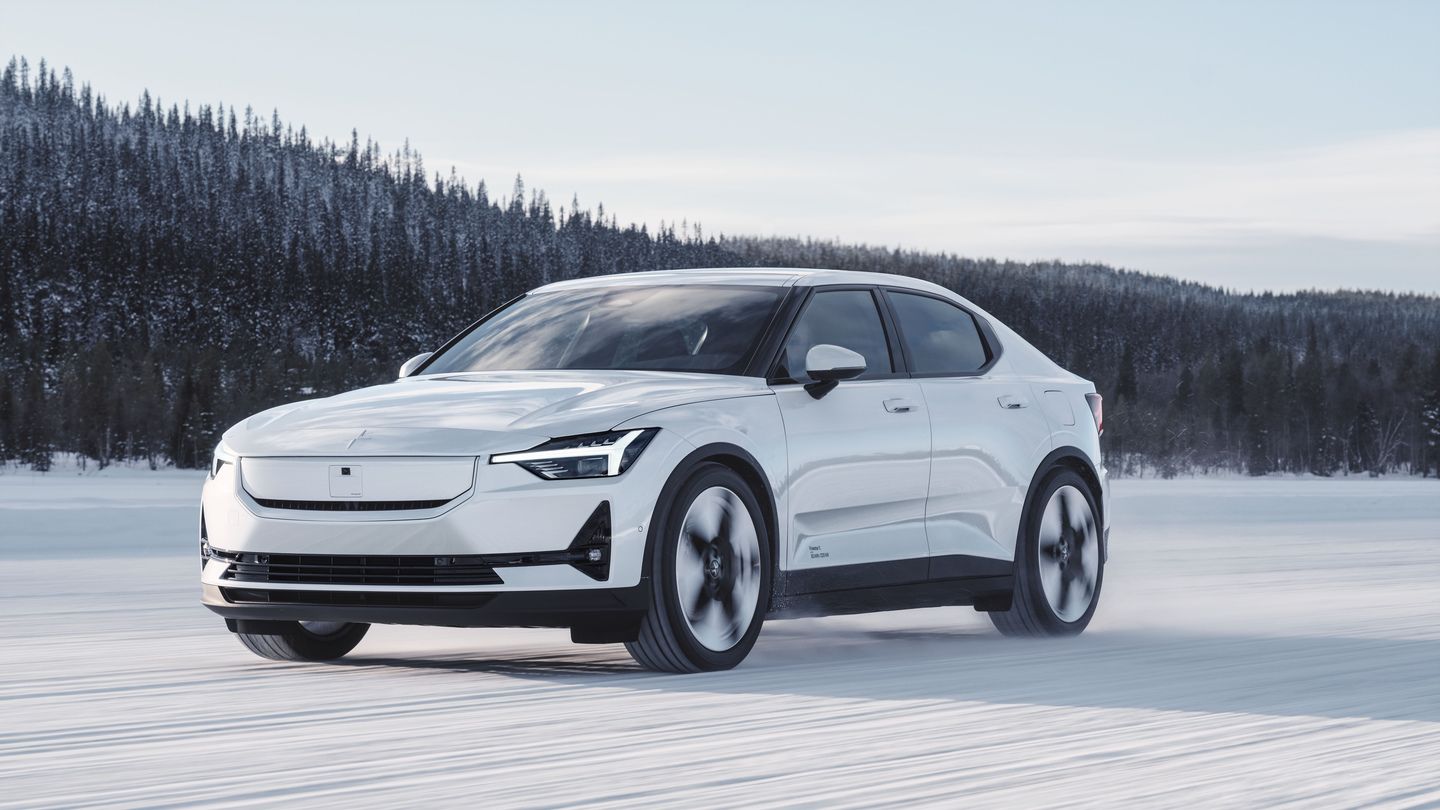
What to Check Before Your First Quebec Winter in a 2027 Polestar 2
The 2027 Polestar 2 is a dual-motor, all-wheel-drive fastback, and Quebec winters put its strengths to work. Heating, charging and visibility all...
Read more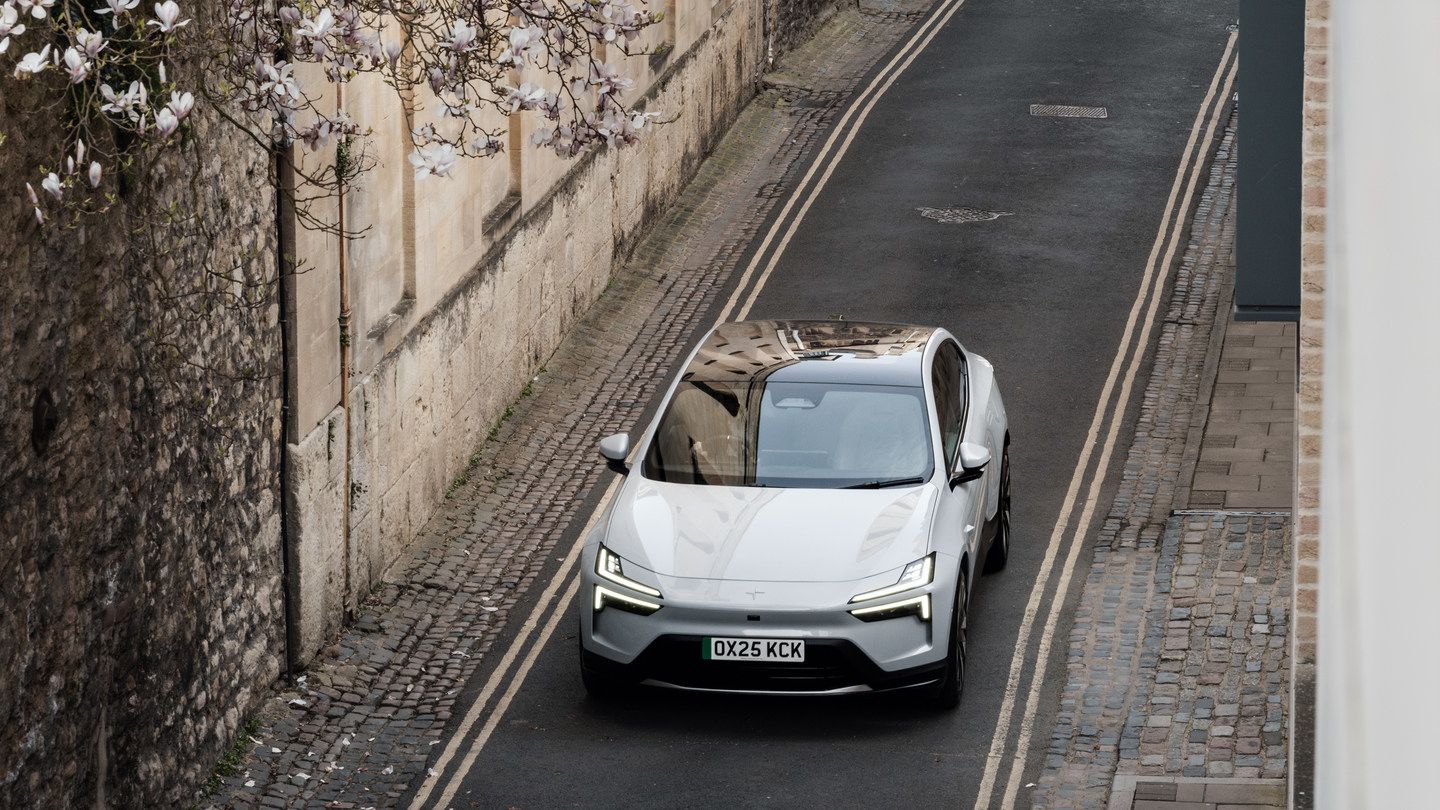
Rear Motor or Dual Motor: Which 2027 Polestar 4 Coupe Suits Year-Round Driving?
A 2027 Polestar 4 coupe comes down to one early choice: one motor or two. Both share the same 100 kWh battery, the same 15.4-inch screen and the...
Read morePowered and developed by
